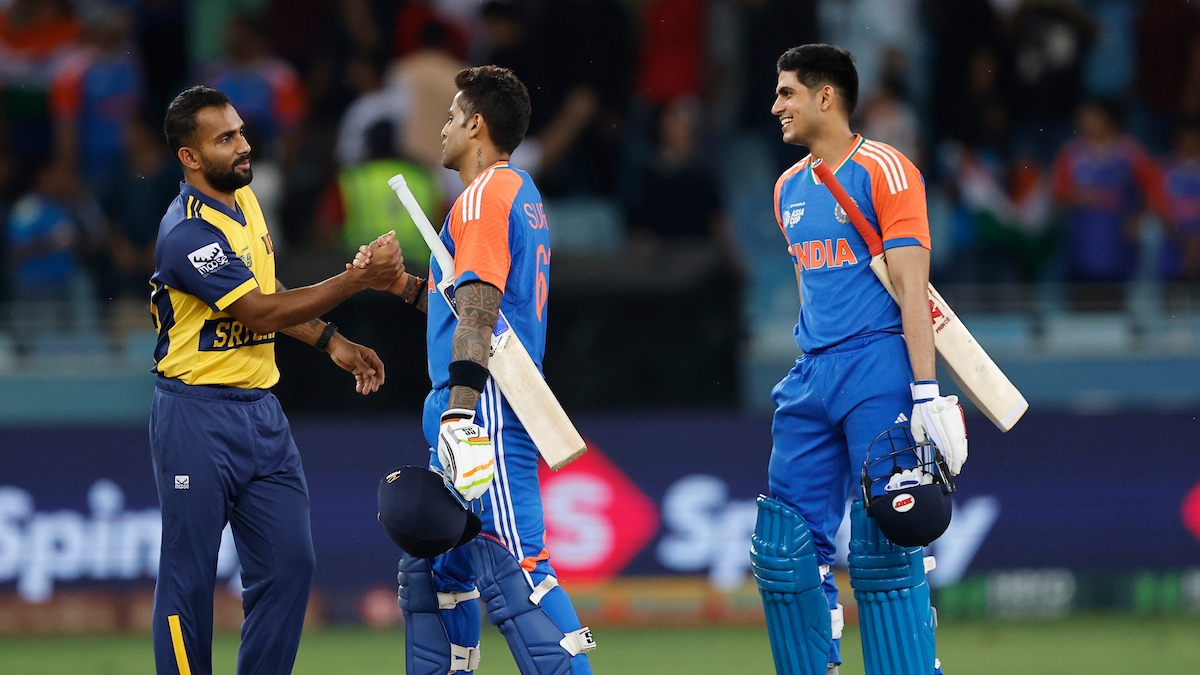
Captaincy in cricket is unlike leadership in any other sport. It’s a complex blend of strategy, intuition, psychology, and calm under pressure. While football or basketball coaches make real-time decisions, in cricket, it’s the captain who dictates the game’s flow — from field placements to bowling changes to morale management. But what truly makes a great cricket captain?
The Strategic Mastermind
At its core, cricket captaincy is about reading the game — not just the scoreboard, but the rhythm, momentum, and mindset of every player on the field. Great captains like Ricky Ponting, MS Dhoni, and Steve Waugh were tactical geniuses who could anticipate opposition moves and react swiftly.
A good captain must know when to attack and when to defend, when to persist with a bowler, and when to take a risk. These micro-decisions often determine match outcomes. Think of Dhoni’s calm gamble to give Joginder Sharma the final over in the 2007 T20 World Cup — intuition backed by trust.
Leadership Beyond Tactics
Captaincy isn’t only about field placements; it’s about managing people. Cricket teams are diverse — different egos, cultures, and temperaments. Successful captains earn respect, not fear. They inspire performance without shouting.
Clive Lloyd’s West Indies, Imran Khan’s Pakistan, and Eoin Morgan’s England are classic examples of leaders who transformed teams through belief and unity. They didn’t just set tactics — they built cultures.
Handling Pressure
Cricket’s slow pace means captains have time to think — sometimes too much time. Dealing with pressure, criticism, and media scrutiny is part of the job. The best captains stay composed even when chaos unfolds. Dhoni’s serenity became a symbol of mental strength; his ability to smile under pressure earned him the nickname “Captain Cool.”
Contrast that with aggressive but effective leaders like Virat Kohli or Ricky Ponting — their fire motivated players to perform. Both approaches work, as long as the captain commands respect and clarity of purpose.
Building Future Leaders
A great captain doesn’t just win matches; they create a legacy. Sourav Ganguly rebuilt Indian cricket’s fighting spirit in the early 2000s, laying the groundwork for future success. Similarly, Kane Williamson’s humility and tactical brilliance have made New Zealand cricket a model of consistency and sportsmanship.
Leadership also involves nurturing young talent — giving players confidence to fail, learn, and rise. Captains like Dhoni and Brendon McCullum trusted rookies at crucial moments, empowering them to become match-winners.
The Captain-Coach Dynamic
Modern cricket has blurred the line between captain and coach. The best partnerships — like Eoin Morgan and Trevor Bayliss or Rohit Sharma and Rahul Dravid — work through mutual respect. The captain leads on-field strategy; the coach provides analytical and emotional support. This synergy creates stability.
Conclusion
A great cricket captain is part general, part psychologist, and part artist. They blend intuition with data, aggression with calm, and individuality with teamwork. They understand that leadership isn’t about power but about influence.
In cricket, leadership is measured not just by trophies but by transformation — how a captain turns a group of players into a winning family. True captains leave behind not just records, but values that inspire generations to come.
About the Author


