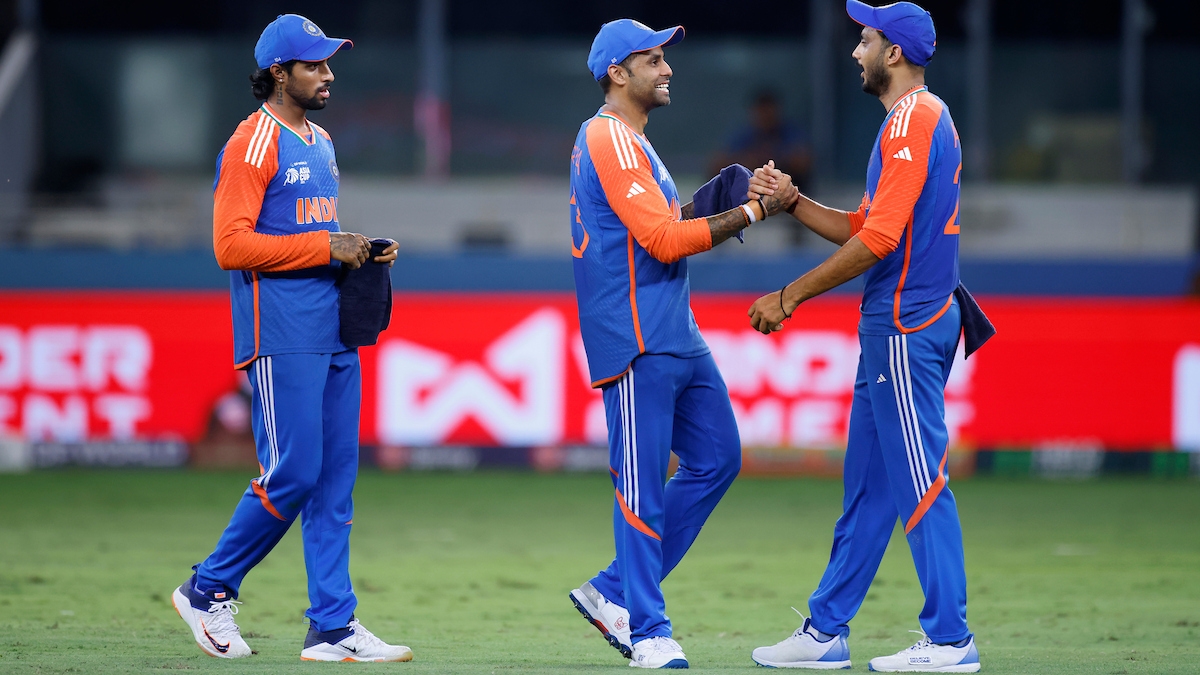
Cricket has always been a game of national pride, but the 21st century has witnessed the rise of a new phenomenon — franchise cricket. With leagues like the Indian Premier League (IPL), Big Bash League (BBL), Caribbean Premier League (CPL), and The Hundred dominating screens, the sport has entered a new era of glamour, global reach, and money. But this rapid commercialization raises an important question: is franchise cricket helping or hurting the spirit of the game?
The Birth of a Revolution
It all began in 2008, when the Indian Premier League burst onto the scene with fireworks, Bollywood stars, and cricketing legends. For the first time, players from rival nations played side by side. Shane Warne mentoring Indian youngsters, or Ricky Ponting sharing a dressing room with Sachin Tendulkar, symbolized cricket’s global unity. Fans loved it. Broadcasters rejoiced. Sponsors poured in. And cricket’s entertainment quotient skyrocketed.
The success of the IPL inspired similar leagues worldwide — from Australia’s BBL to Pakistan’s PSL. These tournaments gave local players exposure, generated massive revenue, and brought cricket into living rooms of millions who previously saw it as a slow game.
The Economic Boost
Franchise cricket has transformed the economics of the sport. Players who once relied solely on national contracts now earn millions through franchise deals. Stadiums fill up, TV ratings soar, and countries generate tourism and local business during league seasons.
It also democratized cricketing opportunities. Unknown players like Jasprit Bumrah, David Miller, or Rashid Khan first showcased their talent in leagues before becoming international stars. For many young cricketers, franchise cricket is now the main pathway to fame.
The Entertainment Shift
There’s no denying that franchise cricket brought a new flavor — music, fireworks, cheer squads, and fast-paced drama. The audience changed too: younger, more diverse, and global. Fans could now support not just their countries but their favorite franchises. Rivalries like Mumbai Indians vs Chennai Super Kings became as iconic as India vs Pakistan.
Franchises also adopted advanced analytics, professional coaching, and global scouting systems. This professionalism raised overall playing standards and made cricket more competitive and dynamic.
The Flip Side: National Cricket in Danger?
However, the rise of franchise leagues has created challenges. National boards now struggle to manage player availability. Stars often choose league contracts over international duty, chasing shorter seasons and higher pay. West Indies, for example, have repeatedly lost top players to global leagues during national series.
Test cricket, the game’s oldest and most respected format, has suffered the most. Some players retire early from Tests to focus on T20 leagues. Purists argue that this undermines cricket’s heritage and reduces the sport to a commercial circus.
Overcrowded Calendar & Player Fatigue
With so many leagues overlapping, players face hectic travel and risk injuries. The cricket calendar is now packed year-round, leaving little room for rest or bilateral series. Boards like England and India have had to rotate players constantly to manage fatigue.
A Path Forward
The future lies in balance. Franchise cricket is not the enemy — it’s evolution. The challenge is ensuring that leagues coexist with international cricket. Governing bodies like the ICC must coordinate calendars, set limits on participation, and protect marquee tournaments like the World Cup and World Test Championship.
Franchise cricket has undoubtedly brought innovation, diversity, and financial stability. It has made cricket cool again for the next generation. But as with all revolutions, it needs regulation to preserve the essence of the game — skill, spirit, and national pride.
Cricket has always evolved, and franchise cricket is just another chapter in its remarkable story. Whether it becomes a golden age or a cautionary tale depends on how wisely the game’s leaders steer the future.
About the Author


